
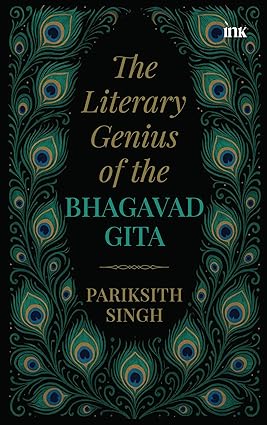
Literary Genius of the Bhagavad Gita | Book Paperback (Pariksith Singh)
Author: Pariksith Singh
ISBN: 9789365476446 || Edition: 1 || PubYear:
Only 2 left in stock
-
Shipping all over India through India Post.
-
Delivers in: 3-7 Working Days Shipping Policy
The Gita is one of the most important canonical works of Indian literature. Illustrious seers and philosophers such as Adi Sankara, Sri Ramanujacharya, and Madhvacharya have commented on its spirituality and darshana, its Vedanta, sankhya, bhakti, jnana and karma yoga, rhetoric, and logic. But there is one aspect of the Gita that has been ignored so far. That is its literary quality and symphonic structure.The author submits that the literary design and tropes of the Gita are unique and intrinsic to its message. Without this design of its chapters and shlokas, the themes and motifs addressed by the scripture would not have had such a lasting effect on the mind of India.The Gita may itself be seen as an alankara, an ornament, in the grand structure of the epic Mahabharata. It is a miniature Veda, carrying on the traditions of the Sruti and its masterful compositions. The author uses both Indian and Western modes of aesthetics to explore and bring out the genius of the Gita, a first in the tradition of modern literary criticism.Approaching the Gita as literature allows the student to view it in a fresh manner and with greater freedom. In the process, they might begin to see how certain key concepts, such as dharma, yoga, yudha, and karma, are developed as if a living guru were instructing a student, allowing them to grow in consciousness like the protagonist Arjuna.
| Weight | 370.0000 kg |
|---|---|
| Dimensions | 0.00 × 0.00 × 0.00 cm |
Only logged in customers who have purchased this product may leave a review.
Related Products

Recently Viewed Products

Country Is Going To The Dogs
Original price was: ₹195.00.₹156.00Current price is: ₹156.00.
Tarkik Kshamta | Reasoning Ek Abhyas 2024 Edition For Gpsc & Other Examination | Book Paperback (Shahezad Kazi)
Original price was: ₹599.00.₹479.20Current price is: ₹479.20.
Statistics for Economics Class 11 CBSE 2026-27 Edition | Book Paperback (T R Jain | V K Ohri)
Original price was: ₹576.00.₹518.40Current price is: ₹518.40.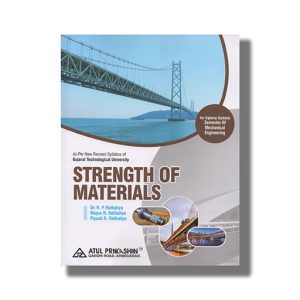
Strength Of Materials Mechanical Semester 3 New Syllabus 2023 Edition Gtu Diploma Engineering English Medium | Book Paperback (Atul) R P Rethaliya
Original price was: ₹275.00.₹220.00Current price is: ₹220.00.

Reviews
There are no reviews yet.